ShopBlogForum
Home
About
Contact
Cart
Fabulous Fabric and Patterns Back to Sew Mama Sew! Home
Blog
  • Bag Month
  • Board Members & Contributors
  • Contests & Giveaways
  • Etc…
  • Fat Quarter Month
  • Featured Creativity
  • Featured Products & Books
  • Forum News
  • Hand Sewing Month
  • Handmade Holidays
  • Kids' Clothes Month
  • Pattern Reviews
  • Profiles
  • Quilting Month
  • Scrap Buster Month
  • Sew-Alongs
  • Sewing for the Home
  • Sewing Machine Month
  • Sewing Tips
  • Spring Sewing
  • Summer Sewing
  • Tutorials & Projects
  • Women's Clothing Month

Blog Search

Enter your search terms

Blog Archives

Receive Our Newsletter Image

Making a Muslin

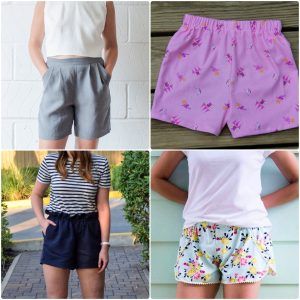
Mary did a pattern review for us awhile back so you may remember her introduction (and you might already be a fan of her Confessions of a Craft Addict blog!). Today she shares techniques and insight into making a muslin to get just the right fit (the first photo with brighter colors is her “muslin” and the linen blend pair is the final product):

I think I’m like a lot of women when I go shopping: I need to try things on, sometimes multiple sizes of the same garment, until I find the right fit. Even then, there might be something that’s just not working for me. The waistband gapes in the back. The upper arms are too snug. The chest is cut in a way that assumes things that were true 20 years ago but not so much these days.

One of the reasons I have added sewing clothes for me to my repertoire (instead of just for my daughter) is so I can have things that reflect my style and tastes– and fit perfectly. Unfortunately, sometimes sewing clothes from a ready-made pattern can be just as exasperating as buying ready to wear. While there’s a certain element of customization in many garments (especially anything with an elastic waist), I’ve found that most patterns don’t take into account the specifics of my body type. So, what’s a girl to do?

Make a muslin, of course!

Muslin is a cotton fabric but it’s also the term that refers to a draft garment. You can make a muslin out of muslin, but you also can use whatever fabric you wish. I like to stock up on $1/yard fabric to use for making muslins, although I also buy muslin on sale for the same purpose.

I don’t sew a muslin every time I make a garment. I think most skirts are pretty forgiving and rarely make a muslin of those. More fitted items– pants, dresses, fitted tops– I often plan to make a muslin before cutting into my nice $9-a-yard designer fabric. Yes, it essentially means that I’m going to sew something twice. But if the end result is a garment that fits perfectly and makes me feel great about how I look when I’m wearing it, then I think it’s worth the time and effort.

I look at the measurements on the pattern envelope to figure out what size I should make, then I measure the pattern pieces and compare them to my measurements. All patterns include a certain amount of ease, and you need to take that into consideration when you measure your pattern pieces. Hips, thighs, biceps, shoulders and upper back/chest need extra room (ease) so you can actually move in a normal manner while wearing a garment (remember Morticia Addams and her mincing walk?). If my measurements are pretty close (taking into account that ease), I may gamble that it will fit. If it looks like I’m right on the verge of needing to size up or down, or if I could fit into different sizes in different areas of the pattern (i.e., a medium waistband but a large pants leg), then I grab some waste fabric and get started on a muslin.

A product like Swedish tracing paper or Pattern Ease is indispensable for making a muslin. I trace off each pattern piece and copy down all the relevant information and markings from the pattern, and then use those pieces to make my alterations after I’ve made my muslin. A traditional muslin is sewn with the seams on the outside but I don’t always do that, especially if there’s a chance I could wear it when I’m finished. (Why ruin another pair of jeans when I can paint the hallway while wearing the world’s ugliest pants?)

Key to checking the fit of a muslin is trying it on as you assemble it. Try on a top or dress when the bodice is done but before you set in sleeves. Pants should be tried on before you sew on the waistband. Move around in the garment. Look in a full-length mirror. Make notes about what needs to be changed and even pin and pinch the muslin to get a better fit.

Most of the changes I have had to make have been minimal, and I’ve found what works for me through a little bit of trial and error. I’m not above measuring and examining the insides of ready-to-wear garments I own that fit well and adapting some of those techniques to the items I sew for myself (especially darts in the back of pants to reduce some of that gaping).

This entry was posted on Tuesday, May 13th, 2008 at 8:29 am and is filed under Sewing Tips, Women's Clothing Month. You can follow any responses to this entry through the RSS 2.0 feed. You can leave a response, or trackback from your own site.

68 Responses to “Making a Muslin”

  1. Coralee responds:
    Posted: May 13th, 2008 at 9:01 am →

    again, such helpful posts this month…thanks!

  2. monstergirl responds:
    Posted: May 13th, 2008 at 9:15 am →

    Great, basic information! I usually “falter” with making clothes once I buy the pattern & fabric because I’m so afraid of making something that ultimately doesn’t fit. This gives me some inspiration to overcome my fears!

  3. jessi responds:
    Posted: May 13th, 2008 at 9:40 am →

    thanks for the great info – you’ve done it again Mary!

  4. Michele C responds:
    Posted: May 13th, 2008 at 10:15 am →

    I really need to do this for myself for pants. I waste a lot of time trying on and agonizing at the stores. Thanks for the info.

  5. Amy W responds:
    Posted: May 13th, 2008 at 10:19 am →

    I’m going to start making a muslin from now on! Thanks!

  6. Jean responds:
    Posted: May 13th, 2008 at 11:34 am →

    Really helpful- thanks for your insight! I have made a few muslins and find them particularly helpful with making the right size. Plus, they ease the tension when cutting into more expensive fabrics!

  7. Sagan responds:
    Posted: May 13th, 2008 at 12:32 pm →

    Could you explain more about how you use the swedish tracing paper? I don’t understand how you mark the alterations.

    Thanks

  8. Margie responds:
    Posted: May 13th, 2008 at 12:38 pm →

    Wow this is great. I’ve never made a muslin before but keep thinking I should. I have not made any clothing items for me because I was sure it won’t fit right. This is the way to insure a great fit. Thank you so much!

  9. Sarah responds:
    Posted: May 13th, 2008 at 12:58 pm →

    Wow! This is great information. I’ll be stocking up on some cheap fabric in the near future.

  10. shelle responds:
    Posted: May 13th, 2008 at 1:25 pm →

    off to look for pattern ease, always wanted something to just trace patterns with. thanks for the great tips!

  11. Em responds:
    Posted: May 13th, 2008 at 3:22 pm →

    I need to find some cheap fabric to do this with… I think it’s a great idea and you’ve got great tips here – Thanks!

  12. CJ responds:
    Posted: May 13th, 2008 at 3:57 pm →

    Used bed sheets purchased at thrift stores or yard sales are good for making muslin’s also.
    Happy Sewing :-)

  13. Samantha responds:
    Posted: May 13th, 2008 at 4:14 pm →

    Very helpful- thank you!

  14. Rita responds:
    Posted: May 13th, 2008 at 4:20 pm →

    I could use a little more explanation about using the swedish tracing paper. Photos works better for me than words — just my brain-type.

  15. Carri Schramm responds:
    Posted: May 13th, 2008 at 6:17 pm →

    For the sewing impaired……

    Are these your steps?
    1. measure
    2. trace pattern (do not cut out pattern from tissue paper)
    3. cut out your cheap (cotton) fabric using that traced pattern
    4. sew and create your muslin (draft garment)
    5. try on, check out in a good mirror, and make any notes/adjustments
    6. transfer those noted adjustments to pattern, then do the same thing from step 3?
    Or, do you take your muslin (draft garment) apart and recut using the noted adjustments and resew???

    just wondering.

    I think it is a wonderful idea, and I never thought of it!!!

    thanks for this information!!!

    carri

  16. Mary responds:
    Posted: May 13th, 2008 at 8:17 pm →

    Sagan and Rita, I use a tracing medium like Pattern Ease and lay it on top of the tissue paper pattern and trace the pattern piece, making sure to copy down all of the pattern markings like notches, grain lines, etc. The paper is not transparent (it’s not opaque, though) but you can see through it so you can trace what you need.

    Carri S. — that’s pretty close to what I do. I usually will measure off the muslin and make the changes on my Pattern Ease, rather than deconstruct and go. And I definitely try on the muslin in steps. For example, the pants in this post have a yoke-style waistband and I tried on the pants before attaching it, and also tried on the waistband separately.

  17. Lynne in Hawaii responds:
    Posted: May 13th, 2008 at 8:38 pm →

    Thanks for the information. I had never heard of making a muslin. Quite the eye opener!

  18. Emily responds:
    Posted: May 14th, 2008 at 12:14 am →

    I KNOW I need to make muslins, but it just frustrates me to do all the work and then not have a wearable item! I need more sewing patience and more sewing time! Thank you for the great article.

  19. Linda responds:
    Posted: May 14th, 2008 at 1:34 am →

    I shall try this out on my next pair of trousers as I always get the ‘gape’ at the back. Thanks so much for such great instructions!

  20. Christine responds:
    Posted: May 14th, 2008 at 7:03 am →

    Great information. Thank you.

  21. Emily responds:
    Posted: May 14th, 2008 at 9:49 am →

    This was very helpful – as was your follow up in the comments. Thanks so much!

  22. Brandy responds:
    Posted: May 15th, 2008 at 5:23 pm →

    I’m a visual learner and a hands on learner so making a muslin is a must for me. Plus sewing the second one is a breeze and takes nearly half the time to do. ^-^

  23. Karen Meyers responds:
    Posted: May 15th, 2008 at 6:34 pm →

    A great alternative to Swedish tracing paper is clear plastic you buy on rolls at any home improvement store and a Sharpie pen. Just lay the plastic over the pattern, youcan see right through it, and trace the pattern and any markings with your Sharpie. After you make your pattern with adjustments, the plastic will hold up to many cuttings of the pattern.

  24. Maya responds:
    Posted: May 16th, 2008 at 8:10 am →

    Thanks for the information. Like those that go before me I freeze with patterns because of previous dresses I have made (that I loved on the envelope) and looked like, well, not good on me. I will go forth and try muslin first. I like the idea of painting and/or cleaning in the ugliest outfit in town.

  25. Tonya responds:
    Posted: May 16th, 2008 at 6:39 pm →

    Thanks so much for the article – I’m a knitter-wannabe-sewer, so I plan on making lots of practice muslins before diving into nice fabric!

  26. Tiff@Three Peas responds:
    Posted: May 19th, 2008 at 12:31 pm →

    Thanks for that post. I have been contemplating taking up making my own garments.

  27. Alisha responds:
    Posted: May 23rd, 2008 at 7:21 am →

    I’ve been thinking about making my first clothing item. I have the pattern. I have the fabric. I just don’t have the nerves. I think I’ll try it out by making a muslin. Thanks!

  28. Melissa responds:
    Posted: May 23rd, 2008 at 7:43 am →

    Thanks for the tip, such a simple thing. I am always hesitant to try new patterns because I am afraid I will mess it up and ruin my expensive fabric.

  29. apple cyder responds:
    Posted: May 23rd, 2008 at 7:45 am →

    It’s so nice to see Mary here on SMS! I love her blog and this tutorial is great.

  30. Amy Hodge responds:
    Posted: May 23rd, 2008 at 7:58 am →

    I have never made a muslin before but am starting to seriously consider it. It might make me more motivated to make more of my own clothes!

  31. Dawn responds:
    Posted: May 23rd, 2008 at 8:04 am →

    I made a muslin before cutting into the fabric for my daughter’s wedding dress. It was so helpful in getting the fit just right.

  32. Courtney responds:
    Posted: May 23rd, 2008 at 8:05 am →

    Thanks for the informative tutorial!

  33. Jessica responds:
    Posted: May 23rd, 2008 at 8:08 am →

    Great info! I like the idea of measuring garments that fit well to see how much ease they have in them.

  34. Angela responds:
    Posted: May 23rd, 2008 at 8:37 am →

    A good tip – one I far too often don’t follow! And I usually regret it when I don’t…

  35. sam responds:
    Posted: May 23rd, 2008 at 8:39 am →

    Oh wow, how did it never occur to me that I might not have to rip so many seams out of my handmade clothes if I’d just make a muslin?!

  36. Erin responds:
    Posted: May 23rd, 2008 at 8:45 am →

    I’m just about to try sewing my first piece of clothing from a pattern – I’ll try an muslin first before I cut into my pretty fabric!
    Erin

  37. Mel responds:
    Posted: May 23rd, 2008 at 9:03 am →

    Thanks for the tip! Is it weird that I like the Muslin and could very well wear THAT??

  38. Connie responds:
    Posted: May 23rd, 2008 at 9:06 am →

    Fantastic article~ I’m going to start sewing again after a 10 year break and making a muslin is a must– especially right now :-)

    Thanks for the inspiration~!

  39. Kim B. responds:
    Posted: May 23rd, 2008 at 9:21 am →

    This seems great for the season!

  40. Nicole responds:
    Posted: May 23rd, 2008 at 9:31 am →

    i have never found a commercial pattern to work for me without some sort of modification. and i don’t think i’m particularly disproportionate, either. yay for muslins!

  41. Pam responds:
    Posted: May 23rd, 2008 at 9:37 am →

    I almost never make a muslin–too lazy, but I made one the other day for a dress I’m working on. Thank goodness! I had to add two inches to the side seams!

  42. michelle responds:
    Posted: May 23rd, 2008 at 9:41 am →

    Thanks for this great article! I recently bought some clothing patterns and am going to attempt to sew something I would actually wear for the first time. I also bought some cheap muslin to make drafts first. I’m glad I’m doing the right thing! I figure making a muslin can only save frustration and money in the end.

  43. Mika responds:
    Posted: May 23rd, 2008 at 9:48 am →

    Thanks for this post about making muslins. I’m glad I’m not the only one who uses manufactured garments to get ideas for proportion, construction, etc.!

  44. molly m responds:
    Posted: May 23rd, 2008 at 9:49 am →

    Just the inspiration I need to try something new.

  45. min responds:
    Posted: May 23rd, 2008 at 10:40 am →

    I like that this gives me permission to buy and use cheap cheap fabric versus muslin – could come up with some crazy stuff, but at least it won’t be boring beige!

  46. Kristi Van Os responds:
    Posted: May 23rd, 2008 at 10:53 am →

    Great article – very informative – Thanks

  47. Lil' d responds:
    Posted: May 23rd, 2008 at 10:53 am →

    I’ve always avoided making muslins, but the information on this blog this month has shown me that there’s lots about sewing clothes that I don’t know. I think I’m now convinced!

  48. jessica mathew responds:
    Posted: May 23rd, 2008 at 12:20 pm →

    thanks! as usual, an informative article!

  49. Tamera responds:
    Posted: May 23rd, 2008 at 12:34 pm →

    Wow, what a great idea! I think I’ll try this!

  50. Lori responds:
    Posted: May 23rd, 2008 at 12:35 pm →

    This is a great post! I found the idea of a “muslin” so confusing when I first started to sew. Maybe now I’ll give it a try!

  51. Carrie responds:
    Posted: May 23rd, 2008 at 12:55 pm →

    I had NO idea “muslin” was more than drab, inexpensive cotton! AWESOME info!

  52. Andrea responds:
    Posted: May 23rd, 2008 at 1:23 pm →

    I have never tried making clothes for myself, but I want to soon, and I know I will need to do this b/c I never do anything right the first time! usually b/c I am in too much of a hurry:(

  53. Anne responds:
    Posted: May 23rd, 2008 at 2:33 pm →

    Thank you for this very helpful post!

  54. Lisa responds:
    Posted: May 23rd, 2008 at 3:18 pm →

    Thanks so much for the helpful advice! I will have to give this a try to get the perfect fit.

  55. EmmyLizzy responds:
    Posted: May 23rd, 2008 at 4:10 pm →

    Great idea – I always make a couple of wrong stitches the first time i use a pattern. This will definitely help!

  56. Anne responds:
    Posted: May 23rd, 2008 at 4:34 pm →

    Thank you!! This is one of those things you hear about but never see explained…

  57. AnnaW responds:
    Posted: May 23rd, 2008 at 4:48 pm →

    I am in the process of making my first fitted top – the Amy Butler Cami. I felt so professional as I made my muslin – a great help, since I changed the pattern a bit to suit me better. Thanks so much! I don’t think I would have made one had I not been encouraged to do so by reading this post!

  58. Libby responds:
    Posted: May 23rd, 2008 at 5:50 pm →

    Thanks for all the info. I realized a while back that I need to not take shortcuts if I want something to really turn out right.

  59. Michele responds:
    Posted: May 23rd, 2008 at 7:57 pm →

    Very helpful! Thanks!

  60. BethieB responds:
    Posted: May 23rd, 2008 at 8:54 pm →

    I am not a clothes sewer yet, just a quilter, but after reading this I’m even more determined to sew a muslin before attempting a new pattern. I usually use old sheets since they seem to multiply by the dozens in my linen closet. I’ve only sewn two items of clothing – a shirt and a skirt – and the truth is, I like the way the “muslin” skirt (made out of a sheet, lol) better than the final product!

  61. Char responds:
    Posted: May 23rd, 2008 at 9:47 pm →

    I never heard of a muslin before–what a perfect idea! I’m going to make my first garment (for myself) in the next few weeks. Now I’ll be able to tackle a muslin first without all the hand-wringing and anxiety about whether the whole project will end up a bust… does anyone have a record for the number of muslins they’ve made for one project?

  62. Megan responds:
    Posted: May 24th, 2008 at 5:23 am →

    I’m so glad I’m not the only one who didn’t know about making muslins. Being new to sewing I sometimes feel that I’m really far behind but tutorials like this one are really helping me learn techniques and boost my confidence. Thanks so much for sharing!!

  63. Julie Livermore responds:
    Posted: May 24th, 2008 at 7:05 am →

    Thanks for the great tips! I am a new sewer, so these tips are awesome!

  64. Amy responds:
    Posted: May 24th, 2008 at 7:19 am →

    This is perfect! Now I can save my sanity as well as my expensive fabric! Thanks.

  65. kristena responds:
    Posted: May 24th, 2008 at 2:26 pm →

    And can’t you use your muslin as a pattern once you’ve got it right? I love the whole “world’s ugliest pants” bit. :)

  66. Kuky responds:
    Posted: May 25th, 2008 at 4:37 am →

    I absolutely agree. A muslin, a must. And the best part? I just realized this recently. If I get the kinks out and I love it, I can easily make it twice by cutting it double on two pieces of fabric laid one on top of the other.

  67. Susanne Schaaf responds:
    Posted: May 29th, 2008 at 9:15 am →

    I have just begun making clothing to “suit” myself….the idea of muslins make total and perfect sence tho…and when the muslins work out you actually have 2 outfits! I plan on recycling mine to the pajama drawer or to paint and do messy housework in…..Thak You SO much for your brilliant blog and website….

  68. estar responds:
    Posted: September 1st, 2008 at 1:26 am →

    i’m making my first muslin-a wrap hoodie for my niece. good thing i did–the first time around, i read the pattern wrong and set a sleeve in upside down. it’s nice to see helpful info on the tracing paper.

Leave a Reply

Click here to cancel reply.

Our Flickr Library RSS Follow Us on Facebook Follow Us on Twitter Follow Us
Site Map
  • Home
  • Shop
  • Blog
  • Forum
  • Tutorials
  • Connect With Us
  • FAQ
  • Shipping